
Ask about the teachings
Ask about Mary in the lost gospels
Mary witnesses suffering after death and pleads for mercy for sinners.
Answers come from the Infancy Gospel of James and the other books about Mary. An AI assistant writes them and cites the text. It does not speak for any faith, leader or prophet.
Ask about the Infancy Gospel of James and the other books about Mary
You are asking an AI. It answers in the third person from the text and cites each passage.
You have asked your three free questions for today. Start free and ask as much as you like, and read and hear the texts, with printed books, large print included, at cost.
Try 3 months free


Free for 3 months
200,000+ classics. Every format, free to start.
eBooks, audiobooks and 15-minute summaries, and any book printed at cost, large print too.
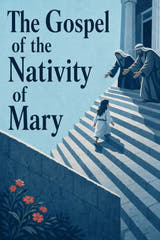
The Infancy Gospel of James and the other books about Mary on ...
Questions it answers
Answers come from the text; an AI assistant writes them.
Who is the Virgin Mary in these accounts?
Mary is presented as the mother of Jesus, a Jewish woman whose life is shaped by dedication to God. The Gospel of the Nativity of Mary describes her growing in goodness and receiving an angel’s announcement that she will bear a child while remaining a virgin. The Infancy Gospel of James likewise explains her pregnancy through the Holy Spirit. These accounts place her motherhood within a larger story of divine purpose, rather than offering a full record of her everyday life.
From The Gospel of the Nativity of Mary and The Infancy Gospel of JamesWhat does Mary believe in and want most?
The accounts show Mary's commitments through particular moments rather than a complete statement of everything she believes or wants. In The Falling Asleep of Mary, the apostles’ arrival brings her joy and strengthens her expectation that her son will come as her earthly life ends. In The Infancy Gospel of James, her fear when children are being killed reveals her concern for her child’s safety. These scenes portray trust in God and protective care, but they do not rank all her wishes.
From The Falling Asleep of Mary and The Infancy Gospel of JamesWhat is Mary's best-known role in the story of Jesus?
Mary’s best-known role is as the mother of Jesus. In The Infancy Gospel of James, an angel explains that her child will come through God’s power, will be named Jesus, and will save his people from their sins. The Gospel of the Nativity of Mary connects this announcement with her dedication to God and her question about how she could become a mother. Both accounts present her motherhood as extraordinary and central to the story of Jesus.
From The Infancy Gospel of James and The Gospel of the Nativity of MaryWhat was Mary's life like in first-century Nazareth?
These accounts give little detail about Mary’s ordinary daily life in first-century Nazareth. The Gospel of the Nativity of Mary connects her father’s family with Nazareth in Galilee and her mother’s family with Bethlehem. It describes her parents as devout and upright, placing her beginnings within a religious household. The Infancy Gospel of James includes a moment when her pregnancy becomes known, but this is part of a sacred narrative, not a description of daily routines, household work, or life among neighbours.
From The Gospel of the Nativity of Mary and The Infancy Gospel of JamesHow does Mary prepare to face death in The Falling Asleep of Mary?
In The Falling Asleep of Mary, Mary prepares for death through prayer and a wish to see the apostles again. An angel announces that her earthly life is approaching its close, and heavenly intervention brings the apostles together around her. The gathering even includes apostles raised from their tombs by the Holy Spirit. Her preparation is therefore not portrayed as a solitary farewell. The narrative surrounds her approaching death with companionship, prayer, and divine care, connecting her departure with the wider apostolic community.
From The Falling Asleep of MaryHow does Mary's love extend to sinners in The Apocalypse of the Virgin?
In The Apocalypse of the Virgin, Mary's compassion reaches people who remain guilty of wrongdoing. Seeing the angels grieve over sinners, she also mourns and asks to look upon those suffering. Her response brings attention to their misery rather than treating them only as examples of punishment. The wider account carries this compassion into an appeal for mercy, which wins temporary relief. The text does not erase their wrongdoing; it portrays Mary as caring about their suffering despite it.
From The Apocalypse of the VirginWhat does Mary's wish to see the apostles suggest about friendship?
In The Falling Asleep of Mary, Mary's wish to see the apostles suggests the importance of companionship at a difficult parting. When they arrive, she responds with joy and takes their presence as reassurance that her departure is approaching within divine care. Their gathering connects her final days with people whose lives have been bound to hers. The text does not offer a general teaching about friendship, but it presents reunion and shared presence as meaningful comforts near the end of life.
From The Falling Asleep of MaryWhat wisdom does Mary seek by asking Michael about the suffering souls?
In The Apocalypse of the Virgin, Mary seeks to understand the suffering of souls and the judgment behind it. Michael guides her, but the journey leads beyond explanation toward compassion and an appeal for relief. The account praises divine patience and describes rest granted after Mary’s tearful pleading, together with the intercession of Michael and the saints. The understanding portrayed therefore joins awareness of wrongdoing’s consequences with concern for sufferers. It does not remove judgment or claim to explain every mystery connected with suffering.
From The Apocalypse of the VirginHow does Mary respond to the fear caused by Herod's violence?
In The Infancy Gospel of James, Mary responds to Herod’s violence by hiding her child. Her action protects Jesus within a story of families threatened by a ruler’s search for children. Herod asks the wise men to report where the child can be found, and later sends officers to demand information about John from Zechariah. The account describes Mary’s protective response more clearly than her inward handling of fear. It presents her taking sheltering action, not explaining a general method for overcoming terror.
From The Infancy Gospel of JamesHow does The Apocalypse of the Virgin hold justice and mercy together?
The Apocalypse of the Virgin holds justice and mercy together by placing Mary’s appeal beside a judgment concerned with people’s treatment of others. The divine response challenges the granting of mercy to those who showed none to their brothers, yet Mary continues to plead for the sinners. The account also praises divine patience before judgment. Punishment remains a consequence of wrongdoing, but suffering does not go unanswered. Its ending grants temporary relief rather than a complete cancellation of judgment, preserving both accountability and compassion.
From The Apocalypse of the VirginWhat gap in the biblical Gospels does The Infancy Gospel of James fill?
The Infancy Gospel of James supplies a story of Mary’s early life, about which the biblical Gospels say little before the angel’s visit. It tells of Joachim and Anna, their long wait for a child, and Mary’s upbringing in the Temple. It also places everyday actions, such as fetching water, within the larger account of her becoming Jesus’ mother. The narrative extends beyond the birth into danger under Herod and Zechariah’s death, giving Mary’s motherhood a broader setting of family, dedication, and threatened lives.
From The Infancy Gospel of JamesHow does The Infancy Gospel of James introduce Joachim and Anna?
The Infancy Gospel of James introduces Joachim and Anna as Mary’s parents, whose long wait for a child is answered through divine intervention. Messengers tell Anna that Joachim is returning after an angel has heard his prayer and announced her pregnancy. Their later care for Mary adds a tender side to their religious dedication. Anna wants to wait until Mary is three before bringing her to the Temple, so that she will not long painfully for her parents, and Joachim agrees to the delay.
From The Infancy Gospel of JamesMore questions
How do these texts portray Mary as worthy of remembrance?
The Gospel of the Nativity of Mary portrays Mary as memorable through her conduct and humility. Those who know her regard her life as admirable, while her response to the angel places service to God above personal importance. The Falling Asleep of Mary adds her wish to see the apostles before her death, linking her final days with shared devotion. These accounts honour her not only for extraordinary events surrounding her life, but also for the dedication expressed in her words and actions.
From The Gospel of the Nativity of Mary and The Falling Asleep of MaryWhy do readers still turn to Mary's story?
The texts do not explain why every reader returns to Mary’s story, but they contain themes of wonder and moral responsibility. The Infancy Gospel of James describes the air becoming motionless in amazement around Jesus’ birth. The Apocalypse of the Virgin asks whether a religious reader’s conduct matches the teaching associated with that role. Such scenes place extraordinary events beside questions about ordinary behaviour. Their continuing interest can be described in those terms without claiming that all readers approach Mary for the same reason.
From The Infancy Gospel of James and The Apocalypse of the VirginWhat advice for a reader follows from Mary's example of prayer?
The texts present Mary’s prayer as part of her character, rather than offering a set of instructions for readers. In The Falling Asleep of Mary, her prayer is heard and accepted as she prepares for death. In The Apocalypse of the Virgin, her tearful appeal for suffering souls helps bring them a period of relief. Her example joins sustained devotion with concern for others. The relief remains temporary, so the account does not turn her prayer into a promise that all punishment will disappear.
From The Falling Asleep of Mary and The Apocalypse of the VirginWhat might Mary be proudest of in her lifelong dedication to God?
The texts do not identify what Mary herself would consider her proudest achievement. Their emphasis is on her dedication and motherhood rather than on a private judgment about personal success. In The Apocalypse of the Virgin, Christ’s birth through Mary belongs to the account of his coming to free those he created. The Falling Asleep of Mary likewise honours her through her relationship to her son. These narratives establish her importance within their sacred stories without describing how she would rank the accomplishments of her life.
From The Apocalypse of the Virgin and The Falling Asleep of MaryWhat does the long wait of Mary's parents show about patience?
The accounts of Mary's parents present patience as both hopeful waiting and attention to a child's needs. In The Gospel of the Nativity of Mary, Joachim and Anna return home after worship and await the promised birth with confidence and happiness. In The Infancy Gospel of James, Anna also asks to delay Mary's entry into the Temple until she is three, so separation will be less painful. These scenes give waiting a purpose; they do not claim that every long wait ends with a promised reward.
From The Gospel of the Nativity of Mary and The Infancy Gospel of JamesHow does Mary's dedication endure through changes in her life?
Mary’s dedication continues from her childhood into her final days, although the accounts describe different stages of that life. The Gospel of the Nativity of Mary connects her early upbringing with service to God. In The Falling Asleep of Mary, prayer remains central as she approaches death, and she asks for a censer during the preparations. Her departure is presented as a movement toward her son and heavenly life. The continuity lies in devotion expressed through changing circumstances, rather than in a detailed account of her private thoughts.
From The Gospel of the Nativity of Mary and The Falling Asleep of MaryHow does The Infancy Gospel of James describe Mary's arrival at the Temple?
In The Infancy Gospel of James, Mary arrives at the Temple at three years old, fulfilling her parents’ promise to dedicate her to God. The priest welcomes and blesses her, places her on an altar step, and she dances there. Her arrival begins the Temple upbringing that later identifies her within the story. Joseph subsequently acknowledges receiving her from the Temple into his care. The narrative thus connects her childhood dedication with her later life, rather than treating the arrival as an isolated childhood ceremony.
From The Infancy Gospel of JamesWhere is Jesus born in The Infancy Gospel of James?
In The Infancy Gospel of James, Jesus is born in a cave near Bethlehem. The cave belongs to the account of his birth, followed by the danger posed by Herod. Bethlehem also appears in The Falling Asleep of Mary, but there it has a different place in the narrative: the apostles are summoned there for Mary’s approaching death. That later gathering is not an account of Jesus’ birthplace. The two stories connect Mary with Bethlehem at different moments and for different narrative purposes.
From The Infancy Gospel of James and The Falling Asleep of MaryHow does The Infancy Gospel of James end amid Herod's violence?
The Infancy Gospel of James closes amid threats against children and their families. Herod’s anger is linked to his fear that another child will become king. Mary hides Jesus, while the narrative also follows the danger to John and the killing of Zechariah. A final note shifts to the narrator named James, who describes retreating into the wilderness during unrest after Herod’s death. The ending therefore moves from royal violence to survival and remembrance, while attributing the telling of the story to divine help.
From The Infancy Gospel of JamesWhat connects Mary's childhood and motherhood in The Gospel of the Nativity of Mary?
In The Gospel of the Nativity of Mary, dedication to God connects Mary’s childhood with her becoming Jesus’ mother. Her promised birth, Temple upbringing, and commitment to virginity form a continuous story rather than separate episodes. The account explains that it gives attention to matters less fully told elsewhere instead of repeating familiar Gospel events at length. Its interest in Mary’s early years serves that purpose: childhood becomes preparation for motherhood. The connection is religious and narrative, not a detailed description of her changing inner thoughts.
From The Gospel of the Nativity of MaryHow does The Gospel of the Nativity of Mary resolve Joseph's doubts?
The Gospel of the Nativity of Mary resolves Joseph’s uncertainty through an angel’s explanation that Mary’s pregnancy comes from the Holy Spirit. Before that reassurance, Joseph is deeply troubled and unsure how to proceed. The account distinguishes his perplexity from Mary’s earlier question to the angel, which expresses a wish to understand rather than disbelief. Joseph ultimately accepts her into his care. The movement from doubt to acceptance depends on angelic explanation, not on the discovery of an ordinary explanation for the pregnancy.
From The Gospel of the Nativity of MaryWhat news does the angel bring in The Falling Asleep of Mary?
In The Falling Asleep of Mary, the angel brings news that Mary’s earthly life is nearing its end. This announcement begins the preparations for her departure, including prayer and her wish to see the apostles again. Her request for a censer belongs to that prayerful setting. The message concerns the close of her life, not the earlier announcement about Jesus’ birth. The narrative treats death as an event involving heavenly care and the gathered apostles, rather than merely a private moment of loss.
From The Falling Asleep of MaryHow do the apostles gather in The Falling Asleep of Mary?
In The Falling Asleep of Mary, the apostles gather through miraculous help rather than an ordinary journey. Mary wishes to see them before her death, and clouds bring them from distant places. The account also says that some apostles who had already died are raised from their tombs by the Holy Spirit. Their gathering therefore reaches beyond distance and death. Once they are together, Mary asks them to offer incense and pray, placing shared prayer at the heart of her final days.
From The Falling Asleep of MaryWhat journey does Mary request in The Apocalypse of the Virgin?
In The Apocalypse of the Virgin, Mary asks to see the punishments suffered by souls after death. Michael guides her through the realm of suffering and explains what she encounters. Her desire to understand leads to compassion and an appeal for mercy. This journey differs from her customary visits to her son’s tomb in The Falling Asleep of Mary, where incense and prayer mark her devotion. One account concerns witnessing judgment among the dead; the other describes prayer before the announcement of her own approaching departure.
From The Apocalypse of the Virgin and The Falling Asleep of MaryWhat wrongdoings are condemned in The Apocalypse of the Virgin?
The Apocalypse of the Virgin condemns neglect, dishonesty, cruelty, failures of religious obligation, and abuses of responsibility. Its concern reaches both conduct toward other people and the duties attached to religious life. The account presents consequences as corresponding to wrongdoing, rather than treating a person’s standing as protection from judgment. Mary’s compassion for those enduring punishment does not erase that principle. The story holds their suffering and their responsibility together, allowing an appeal for mercy without claiming that their actions no longer matter.
From The Apocalypse of the VirginWhat relief does Mary's appeal win in The Apocalypse of the Virgin?
In The Apocalypse of the Virgin, Mary’s appeal wins a temporary respite for souls undergoing punishment. Their suffering is eased for a time, but judgment is not abolished. The ending therefore gives her compassion a real result without presenting universal release. Prayer also shapes her portrayal in The Falling Asleep of Mary, where she earnestly appeals to Christ at his tomb. That scene concerns her devotion and longing for her son, while the relief for condemned souls belongs to the separate account of her journey below.
From The Apocalypse of the Virgin and The Falling Asleep of MaryWhy does Anna promise to dedicate her child to God?
Anna's promise grows from the long sorrow of having no child and the hope that God will answer her prayer. In The Gospel of the Nativity of Mary, both parents promise that any child granted to them will be dedicated to God's service. The Infancy Gospel of James then shows them preparing to fulfill that commitment. Anna asks to wait until Mary is three so that separation will be less painful for the child. Their dedication is presented alongside tender concern for their daughter.
From The Gospel of the Nativity of Mary and The Infancy Gospel of JamesHow do the separate angelic messages reunite Joachim and Anna?
In The Infancy Gospel of James, the messages turn Joachim and Anna's separation into a hopeful reunion. Anna learns from messengers that Joachim is returning with his flocks because an angel has told him that his prayer has been heard and that Anna has conceived. When he arrives, she sees him at the gate, runs toward him, and embraces him. Her response joins the joy of his return with the hope of a child. Their private grief becomes a promise they can share.
From The Infancy Gospel of JamesWhy is Joseph chosen as Mary's guardian rather than portrayed as a suitor?
In The Infancy Gospel of James, Joseph's role begins with a responsibility given through the priest: he is chosen to care for Mary. The story presents him as an older carpenter and widower whose task is guardianship. Its emphasis falls on Mary's dedication to God and on the care needed for her future, rather than on Joseph seeking a wife for himself. His selection belongs to the account's pattern of divine guidance, with the priest announcing the responsibility he is to accept.
From The Infancy Gospel of JamesHow does Mary's commitment to virginity shape plans for her future?
In The Gospel of the Nativity of Mary, Mary's commitment means that plans for her future must preserve her dedication to God. She explains that her parents devoted her to divine service and that she has also made her own lasting vow of virginity. The account therefore treats her future as more than a decision for the Temple authorities alone. Prayer and a sign lead to Joseph's selection as her caretaker. Her childhood dedication remains central as the story moves toward her becoming Jesus' mother.
From The Gospel of the Nativity of MaryWhat role does Zechariah play in Mary's Temple upbringing?
In The Infancy Gospel of James, Zechariah is the high priest responsible for overseeing Mary in the Temple and seeking divine guidance about her future. The priests meet as she grows older to consider what should happen next, and Joseph later receives her into his care. Zechariah’s role belongs to this religious oversight and transition. The story does not offer a detailed picture of his daily involvement in her childhood, so his responsibility is clearer than the ordinary routines of their life within the Temple.
From The Infancy Gospel of JamesWhy does Annas bring an accusation against Joseph?
Annas brings the accusation because Mary is pregnant while entrusted to Joseph’s care. In The Infancy Gospel of James, he tells the priest that officers can verify her condition. His report raises suspicion about Joseph’s responsibility, but an accusation is not the same as an established finding of wrongdoing. The Gospel of the Nativity of Mary presents an angel reassuring Joseph that he must not suspect Mary of wrongdoing. Both accounts place uncertainty around the pregnancy while presenting its origin as divine rather than ordinary misconduct.
From The Infancy Gospel of James and The Gospel of the Nativity of MaryHow does Salome respond to the midwife's account of Jesus' birth?
In The Infancy Gospel of James, Salome initially refuses to believe the midwife’s extraordinary account and wants confirmation for herself. The midwife has emerged from the cave convinced that Mary has given birth while remaining a virgin. Her certainty contrasts with Salome’s doubt, making their meeting a scene about the difficulty of accepting a miraculous birth. Later, an angel tells Salome that her prayer has been heard. Her response therefore belongs to a continuing story of doubt, encounter, and divine attention, rather than ending with disbelief alone.
From The Infancy Gospel of JamesHow do Mary's and Elizabeth's responses to Herod's threat compare?
In The Infancy Gospel of James, Mary and Elizabeth both act to protect their children from Herod’s violence. Mary hides Jesus, while Elizabeth takes John and flees into the hill country after hearing that he is being sought. Herod’s officers then demand information about John from Zechariah. The mothers share a protective purpose, though the actions described differ: concealment for Mary and flight for Elizabeth. The story gives particular attention to the pursuit of John, showing how the danger extends beyond a single child or household.
From The Infancy Gospel of JamesWhat place does John hold in the account of Mary's final days?
John holds a close, attentive place beside Mary in The Falling Asleep of Mary. The account presents him as arriving while she is praying, carried from Ephesus by a cloud through the Holy Spirit's action. His arrival makes him both a companion in her final days and a witness within the story. The wider gathering includes the other apostles, who are later described with Mary in her Jerusalem home. The work is attributed to John, though that attribution does not establish that he actually wrote it.
From The Falling Asleep of MaryHow does Michael help Mary understand the punishments she witnesses?
In The Apocalypse of the Virgin, Michael helps Mary by guiding her through the realm of punishment and explaining the suffering she encounters. He connects what she sees with the actions of those being punished, giving the journey a moral structure rather than leaving it as a series of terrifying sights. Mary’s concern nevertheless reaches beyond explanation toward mercy. When the Lord appears, the condemned appeal for compassion. The account thus places Michael’s explanations of judgment alongside the suffering souls’ need for relief.
From The Apocalypse of the VirginWhy does religious standing offer no protection in Mary's vision of punishment?
In The Apocalypse of the Virgin, religious standing offers no automatic protection because judgment concerns conduct and responsibility. The wider account connects punishment with wrongdoing, including failures in religious duties and treatment of others. Mary asks who the different groups suffering in fire are, showing her wish to understand rather than merely observe their pain. When the Lord appears, the condemned appeal for mercy. Their need for relief remains central, but neither their pleas nor any religious position is presented as making their actions irrelevant.
From The Apocalypse of the VirginWhat makes Mary's intercession more than passive sympathy for the condemned?
Mary’s intercession in The Apocalypse of the Virgin is active because she does more than witness suffering or feel sorrow. She questions Michael, responds to the misery of the condemned, and appeals for mercy on their behalf. Her pleading brings a result: punishment is eased for a time. The account does not portray her compassion as cancelling judgment altogether. Instead, it gives her concern a concrete expression and a limited outcome, holding together the reality of wrongdoing and her determination to seek relief for sufferers.
From The Apocalypse of the Virgin“Mary, the virgin of the Lord, grew in age and in virtue.”
The Gospel of the Nativity of Mary, Chapter 4“To this the angel replied: Do not think, Mary, that you will conceive in the way that human beings conceive. Without any union with a man you, a virgin, will conceive; you, a virgin, will give birth; you, a virgin, will nurse your child.”
The Gospel of the Nativity of Mary, Chapter 6“And behold, an angel of the Lord appeared to him in a dream and said: Do not be afraid on account of this child, for that which is in her is of the Holy Spirit.”
The Infancy Gospel of James, Chapter 12“And she, rejoicing in God her Savior, sat up in the bed and said to the apostles: Now I truly believe that our Master and God is coming from heaven, and that I shall behold him and so depart from this life — for I see that you yourselves have come.”
The Falling Asleep of Mary, Chapter 3“When Mary heard that the children were being slaughtered, she was terrified.”
The Infancy Gospel of James, Chapter 21“For since by my vow I have never known a man, how can I give birth without the seed of a man? To this the angel replied: Do not think, Mary, that you will conceive in the way that human beings conceive.”
The Gospel of the Nativity of Mary, Chapter 6“The angel of the Lord said: Not so, Mary, for the power of the Lord shall overshadow you; and therefore that holy thing which shall be born of you shall be called the Son of the Highest. You shall call his name Jesus, for he shall save his people from their sins.”
The Infancy Gospel of James, Chapter 10“Her father's family was from Galilee and the city of Nazareth, but her mother's family was from Bethlehem. Their life was guileless and upright before God, and blameless and devout before men.”
The Gospel of the Nativity of Mary, Chapter 1“And Joseph said: I was weary from the journey, and I rested the first day. Then Annas turned and saw that Mary was great with child.”
The Infancy Gospel of James, Chapter 13“Andrew, Peter's brother, and Philip, Luke, and Simon the Canaanean, and Thaddaeus who had fallen asleep, were raised by the Holy Spirit out of their tombs.”
The Falling Asleep of Mary, Chapter 3“The all-holy one, seeing the angels humbled on account of the sinners, lamented and said: Woe to sinners and to those who live near them. Then she said: Let us look upon the sinners.”
The Apocalypse of the Virgin, Chapter 5“And she, rejoicing in God her Savior, sat up in the bed and said to the apostles: Now I truly believe that our Master and God is coming from heaven, and that I shall behold him and so depart from this life — for I see that you yourselves have come.”
The Falling Asleep of Mary, Chapter 3“Glory be to your unspeakable justice in judgment, for you have been long-suffering toward sinners and the impious.”
The Apocalypse of the Virgin, Chapter 6“But now, because of the prayer of my mother Mary, who has wept greatly for your sake, and because of Michael my archangel, and because of the multitude of my saints, I grant you rest on the day of Pentecost, that you may glorify the Father and the Son and the Holy Spirit.”
The Apocalypse of the Virgin, Chapter 6“Herod searched for John and sent officers to Zacharias, demanding, ‘Where have you hidden your son?’”
The Infancy Gospel of James, Chapter 22“Herod said to them, ‘Go and search carefully for him, and when you have found him, bring me word, so that I too may come and worship him.’”
The Infancy Gospel of James, Chapter 20“Glory be to your unspeakable justice in judgment, for you have been long-suffering toward sinners and the impious.”
The Apocalypse of the Virgin, Chapter 6“Then a voice came from the invisible Father, saying: How can I have mercy on them, when they had no mercy on their own brothers? And the all-holy one said: Lord, have mercy on the sinners.”
The Apocalypse of the Virgin, Chapter 6“She took the pitcher and went out to fill it with water.”
The Infancy Gospel of James, Chapter 10“Filled with dread, they went out and told all the people that Zacharias had been slain.”
The Infancy Gospel of James, Chapter 23“And behold, two messengers came to her, saying: Behold, your husband Joachim is coming with his flocks, for an angel of the Lord came down to him and said: Joachim, Joachim, the Lord God has heard your prayer. Go down from here, for behold, your wife Anna has conceived.”
The Infancy Gospel of James, Chapter 4“But Anna said, ‘Let us wait until she is three, so the child will not pine for her father and mother.’ And Joachim agreed to wait.”
The Infancy Gospel of James, Chapter 6“Then Mary stretched out her hands and raised her eyes to heaven and said: Behold the handmaid of the Lord — for I am not worthy of the name of lady.”
The Gospel of the Nativity of Mary, Chapter 6“So she reached her fourteenth year, and not only were the wicked unable to charge her with anything worthy of reproach, but all the good who knew her life and conduct judged her worthy of admiration.”
The Gospel of the Nativity of Mary, Chapter 4“Send me also the rest of your apostles, both those who have already gone to you and those still living in this present world, wherever they may be, by your holy commandment, so that beholding them I may greatly bless your name, which is worthy of all praise.”
The Falling Asleep of Mary, Chapter 1“The commander-in-chief said to her: This, all-holy one, is the reader who did not order his own life in a manner worthy of the holy Gospel.”
The Apocalypse of the Virgin, Chapter 4“I looked up at the air and saw the air standing still in amazement.”
The Infancy Gospel of James, Chapter 16“When I had finished the prayer, holy Mary said to me: ‘Bring me the censer.’”
The Falling Asleep of Mary, Chapter 2“But now, because of the prayer of my mother Mary, who has wept greatly for your sake, and because of Michael my archangel, and because of the multitude of my saints, I grant you rest on the day of Pentecost, that you may glorify the Father and the Son and the Holy Spirit.”
The Apocalypse of the Virgin, Chapter 6“Your prayer has risen through the heavens to him who was born of you and has been accepted.”
The Falling Asleep of Mary, Chapter 1“And Jephonias himself, at Peter's bidding, so that the wonderful works of God might be made manifest, stood up behind the bier and cried out: Holy Mary, who bore Christ who is God, have mercy on me.”
The Falling Asleep of Mary, Chapter 6“Yet I could not allow the works of my hands to be tyrannized over by the serpent, and so I bowed the heavens and came down and was born of Mary, the holy and undefiled Mother of God, that I might set you free.”
The Apocalypse of the Virgin, Chapter 6“Then, having worshipped the Lord, they returned home and waited in certainty and gladness for the fulfillment of the divine promise. Anna conceived and bore a daughter, and in accordance with the angel's command her parents named her Mary.”
The Gospel of the Nativity of Mary, Chapter 3“But Anna said, ‘Let us wait until she is three, so the child will not pine for her father and mother.’ And Joachim agreed to wait.”
The Infancy Gospel of James, Chapter 6“Let your mother depart from this life, and let those who crucified you and have not believed in you be put to shame.‘ When I had finished the prayer, holy Mary said to me: ’Bring me the censer.”
The Falling Asleep of Mary, Chapter 2“From this time forward, as you have asked, you shall leave this world and go to the heavenly places, to your Son, into the true and everlasting life.”
The Falling Asleep of Mary, Chapter 1“And I said: It is Mary, who was raised in the temple of the Lord.”
The Infancy Gospel of James, Chapter 17“Then Joseph said to Mary: I have received you from the temple of the Lord, and now I leave you in my house.”
The Infancy Gospel of James, Chapter 8“And the Holy Spirit said to the apostles: ‘Let all of you come together by the clouds from the ends of the world, and be gathered to holy Bethlehem by a whirlwind, on account of the mother of our Lord Jesus Christ’ — Peter from Rome, Paul from Tiberias, Thomas from India, James from Jerusalem.”
The Falling Asleep of Mary, Chapter 3“Now I, James, wrote this history in Jerusalem. When a tumult arose at the death of Herod, I withdrew into the wilderness and stayed there until the unrest in Jerusalem had passed, all the while glorifying the Lord God, who gave me the gift and the wisdom to write this history.”
The Infancy Gospel of James, Chapter 24“The officers went back and reported all this to Herod. Herod was furious and said, ‘His son is going to be king over Israel.’”
The Infancy Gospel of James, Chapter 22“Let us therefore pass over what has already been written more fully in the Gospel, and turn instead to those things that have been thought less worthy of being told.”
The Gospel of the Nativity of Mary, Chapter 7“He then fell into great doubt and perplexity, not knowing what was best for him to do.”
The Gospel of the Nativity of Mary, Chapter 8“The virgin did not doubt the angel's words, but wishing to understand the manner of it, she answered: How can this come to pass?”
The Gospel of the Nativity of Mary, Chapter 6“When I had finished the prayer, holy Mary said to me: ‘Bring me the censer.’”
The Falling Asleep of Mary, Chapter 2“Andrew, Peter's brother, and Philip, Luke, and Simon the Canaanean, and Thaddaeus who had fallen asleep, were raised by the Holy Spirit out of their tombs.”
The Falling Asleep of Mary, Chapter 3“After the prayer she said to the apostles: Offer incense and pray.”
The Falling Asleep of Mary, Chapter 4“As the all-holy and glorious mother of God, the ever-virgin Mary, was going as was her custom to the holy tomb of our Lord to burn incense, and kneeling in prayer, she pleaded earnestly that Christ our God, who had been born of her, would return to her.”
The Falling Asleep of Mary, Chapter 1“They shall be rewarded according to their wrongdoing. Then all who heard the Lord's voice had nothing to answer.”
The Apocalypse of the Virgin, Chapter 6“As the all-holy and glorious mother of God, the ever-virgin Mary, was going as was her custom to the holy tomb of our Lord to burn incense, and kneeling in prayer, she pleaded earnestly that Christ our God, who had been born of her, would return to her.”
The Falling Asleep of Mary, Chapter 1“They had vowed, however, that if the Lord should grant them a child, they would dedicate it to his service; and for this reason they made a point of visiting the temple at every feast throughout the year.”
The Gospel of the Nativity of Mary, Chapter 1“Joachim said, ‘Let us bring her to the temple of the Lord to fulfill the promise we made, lest the Lord hold it against us and our gift become unacceptable.’ But Anna said, ‘Let us wait until she is three, so the child will not pine for her father and mother.’”
The Infancy Gospel of James, Chapter 6“And behold, two messengers came to her, saying: Behold, your husband Joachim is coming with his flocks, for an angel of the Lord came down to him and said: Joachim, Joachim, the Lord God has heard your prayer. Go down from here, for behold, your wife Anna has conceived.”
The Infancy Gospel of James, Chapter 4“And behold, Joachim came with his flocks, and Anna stood at the gate and saw him coming, and she ran and threw her arms around his neck, saying: Now I know that the Lord God has greatly blessed me; for behold, the widow is a widow no more, and she who was childless shall conceive.”
The Infancy Gospel of James, Chapter 4“And the priest said to Joseph: You have been chosen to take the virgin of the Lord into your keeping.”
The Infancy Gospel of James, Chapter 8“She declared that her parents had devoted her to the service of the Lord, and that she herself had moreover made a vow of virginity to God, which she would never violate by any intercourse with a man.”
The Gospel of the Nativity of Mary, Chapter 4“Mary, the virgin of the Lord, grew in age and in virtue.”
The Gospel of the Nativity of Mary, Chapter 4“And I said: It is Mary, who was raised in the temple of the Lord.”
The Infancy Gospel of James, Chapter 17“Then Joseph said to Mary: I have received you from the temple of the Lord, and now I leave you in my house.”
The Infancy Gospel of James, Chapter 8“When she was twelve years old, the priests held a council and said: Mary has now been twelve years in the temple of the Lord.”
The Infancy Gospel of James, Chapter 7“The priest said: Has Joseph truly done this? And Annas the scribe said: Send officers, and you will find the virgin great with child.”
The Infancy Gospel of James, Chapter 13“While he was turning these things over in his mind, an angel of the Lord appeared to him in a dream and said: Joseph, son of David, do not be afraid. Do not harbor any suspicion of wrongdoing against the virgin, and do not think evil of her.”
The Gospel of the Nativity of Mary, Chapter 8“And the midwife came out of the cave, and Salome met her. And she said to her: Salome, Salome, I have a wonder to tell you. A virgin has given birth — something that her nature does not permit.”
The Infancy Gospel of James, Chapter 17“And then an angel of the Lord appeared to her, saying: Salome, Salome, the Lord God has heard your prayer.”
The Infancy Gospel of James, Chapter 19“Elizabeth, hearing that they were searching for John, took him and fled into the hill country.”
The Infancy Gospel of James, Chapter 21“Herod searched for John and sent officers to Zacharias, demanding, ‘Where have you hidden your son?’”
The Infancy Gospel of James, Chapter 22“And while she was praying, I, John, came — the Holy Spirit having caught me up on a cloud from Ephesus and set me down in the place where the mother of my Lord was lying.”
The Falling Asleep of Mary, Chapter 2“After five days, however, it became known to the procurator, to the priests, and to the whole city that the Mother of the Lord was in her own house in Jerusalem with the apostles, because of the signs and wonders that were taking place there.”
The Falling Asleep of Mary, Chapter 5“Then the Lord came down from his undefiled throne, and when those who were under punishment saw him they raised one voice, saying: Have mercy on us, King of ages.”
The Apocalypse of the Virgin, Chapter 6“And the all-holy one said: Who are these standing in the fire up to their breasts?”
The Apocalypse of the Virgin, Chapter 2“Then the Lord came down from his undefiled throne, and when those who were under punishment saw him they raised one voice, saying: Have mercy on us, King of ages.”
The Apocalypse of the Virgin, Chapter 6“And the all-holy one said to the commander-in-chief: Who are these standing up to their necks in the flames of fire?”
The Apocalypse of the Virgin, Chapter 2The Infancy Gospel of James and the other books about Mary in the library



Ask about other texts
Free for 3 months
200,000+ classics. Every format, free to start.
eBooks, audiobooks and 15-minute summaries, and any book printed at cost, large print too.
An AI voice for the Infancy Gospel of James and the other books about Mary; it can be wrong. Report a wrong answer. If you are in crisis: call or text 988 (US) or find a line in your country.





