Human, All Too Human, Part 139 summary
Part 139 of 152 · 1 min to read the part
In 139, the argument presents ascetic submission as a way to ease life by removing personal choice, responsibility, and regret through obedience to another will or fixed rules. It challenges admiration for complete self-surrender by arguing that maintaining one's personality requires greater effort and thought.
What happens
- The ascetic seeks an easier life through complete obedience to another will or a fixed system of rules.
- The Brahmin exemplifies a life guided at every moment by religious commands rather than personal choice.
- Submission keeps a person occupied, restrains individual passion, and removes feelings of responsibility and regret.
- Complete renunciation and unconditional obedience are presented as easier than moderation and conditional obedience.
- The argument rejects praise of self-surrender as supreme moral heroism and presents self-assertion as more demanding.
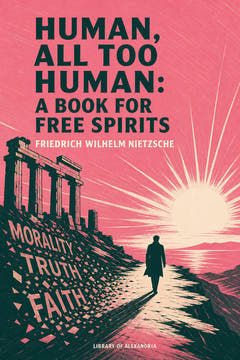
Free for 3 months
Get the full summary of Human, All Too Human: A Book for Free Spirits, free
- 200,000+ classics as eBooks, audiobooks and 15-minute summaries, and print and large print at cost
- Up to 5 readers in your home on one plan
Start freeNothing to pay today. USD 0.14 a day in the first year, then USD 0.27 a day.
Quick check
What does the argument present as harder than complete personal surrender?
Free for 3 months
Get the full summary of Human, All Too Human: A Book for Free Spirits, free
- 200,000+ classics as eBooks, audiobooks and 15-minute summaries, and print and large print at cost
- Up to 5 readers in your home on one plan
Start freeNothing to pay today. USD 0.14 a day in the first year, then USD 0.27 a day.

200,000+ classics to read, hear and hold
15-minute summaries today, eBooks and audiobooks as each book opens, and printed books, large print included, at cost.
Try 3 months free





