A reading guide
Enlightenment books
These Enlightenment books explore reason, rights, government and society through philosophy, political argument and satire. For readers seeking a first introduction to the age of reason, start with What Is Enlightenment? before choosing a political argument or a work of fiction.
Updated


Where to start
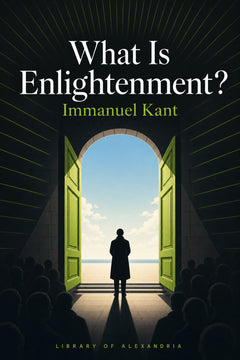
 Start hereWhat Is Enlightenment?Immanuel Kant
Begin with a brief essay that makes independent thought concrete by examining fear, authority and the courage to reason publicly.
Read free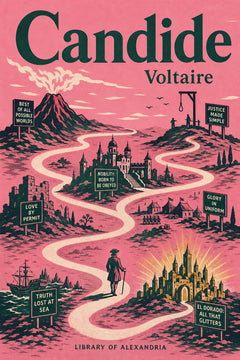
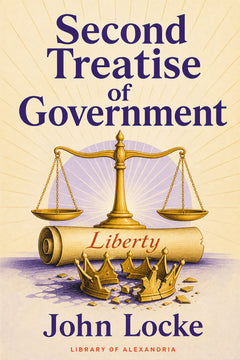 Or trySecond Treatise of GovernmentJohn Locke
Start here for a political argument built around concrete stakes: protecting people's lives, liberty and property through government based on consent.
Read free
The books
Free to start one of the free gifts when you start
Reason, science and philosophy
| # | First published | Book | Kind | Read |
|---|---|---|---|---|
| 1 | 1784 | What Is Enlightenment?Immanuel Kant Kant connects independent thought with the courage to question authority and the freedom to use reason publicly. | Non-fiction | Free to startRead free |
| 2 | 1733 | Letters on EnglandVoltaire Through essays shaped as letters, Voltaire examines English religion, government, trade, science and literature as connected subjects of inquiry. | Non-fiction | Free to startRead free |
| 3 | 1677 | EthicsBenedictus de Spinoza Spinoza places human thoughts and emotions within nature, presenting understanding as a path toward freedom rather than an escape from nature. | Non-fiction | Free to startRead free |
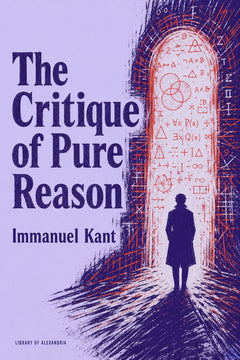
| 4 | 1781 | The Critique of Pure ReasonImmanuel Kant An inquiry into knowledge asks what reason can establish alone and how the mind helps make experience possible. | Non-fiction | Free to startRead free |
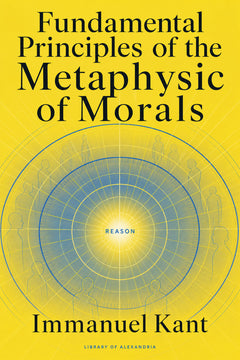
| 5 | 1785 | Fundamental Principles of the Metaphysic of MoralsImmanuel Kant Moral duty takes centre stage as Kant seeks principles grounded in reason rather than personal wishes or expected rewards. | Non-fiction | Free to startRead free |
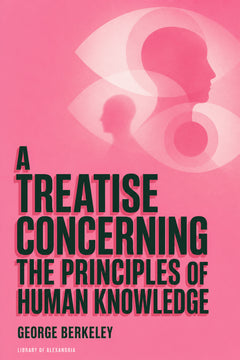
| 6 | 1710 | A Treatise Concerning the Principles of Human KnowledgeGeorge Berkeley Berkeley challenges matter's independence from perception, using minds and ideas to examine doubts about knowledge, the world and God. | Non-fiction | Free to startRead free |


Government, rights and society
| # | First published | Book | Kind | Read |
|---|---|---|---|---|
| 1 | 1689 | Second Treatise of GovernmentJohn Locke Locke grounds political authority in consent, arguing that government exists to protect the lives, liberty and property of free people. | Non-fiction | Free to startRead free |
| 2 | 1792 | A Vindication of the Rights of WomanMary Wollstonecraft Women's education becomes a question of reason and independence as Wollstonecraft challenges upbringing designed chiefly to please men. | Non-fiction | Free to startRead free |
| 3 | 1755 | A Discourse Upon the Origin and the Foundation of the Inequality Among MankindJean-Jacques Rousseau Property, dependence and law shape Rousseau's inquiry into how human differences become social inequality and whether that inequality is justified. | Non-fiction | Free to startRead free |
| 4 | 1651 | Leviathan by Thomas HobbesThomas Hobbes Beginning with human desires and fears, Hobbes argues that a common authority must prevent conflict from turning into war. | Non-fiction | Free to startRead free |
| 5 | 1788 | The Federalist PapersAlexander Hamilton; John Jay; James Madison Hamilton, Jay and Madison defend the proposed United States Constitution through essays explaining the case for a stronger national government. | Non-fiction | Free to startRead free |


Satire, essays and fiction of the age
| # | First published | Book | Kind | Read |
|---|---|---|---|---|
| 1 | 1759 | CandideVoltaire A young man's hopeful beliefs meet war, slavery and religious persecution in a story that tests his inherited assumptions. | Novel | Free to startRead free |
| 2 | 1752 | MicromegasVoltaire Visitors from other worlds encounter human thinkers, setting the smallness of their bodies against the scale of their philosophical claims. | Stories | Free to startRead free |
| 3 | 1796 | The NunDenis Diderot Suzanne's account of unwanted religious vows turns a young woman's search for release into a story of resistance to imposed authority. | Novel | Free to startRead free |
| 4 | 1792 | Jacques the Fatalist and His MasterDenis Diderot A servant's interrupted love story unfolds during travels with his master, while their conversations repeatedly return to questions of fate. | Novel | Free to startRead free |
| 5 | 1759 | The Life and Opinions of Tristram Shandy, GentlemanLaurence Sterne Family history, explanations and opinions continually interrupt a man's attempt to tell his life, making digression the story's central pleasure. | Novel | Free to startRead free |


Questions
What are the best Enlightenment books to read?
Start with What Is Enlightenment?, Candide and Second Treatise of Government for three different routes into the subject. They offer an argument for independent thought, a story that tests hopeful beliefs, and a defence of government based on consent. A Vindication of the Rights of Woman adds education and women's independence.
Who were the most important Enlightenment thinkers?
This selection introduces central questions through Kant, Voltaire, Locke, Wollstonecraft, Rousseau and Spinoza. Kant examines reason and moral duty; Voltaire tests beliefs through fiction and examines English institutions. Locke addresses consent and rights, Wollstonecraft argues for women's education, Rousseau investigates inequality, and Spinoza connects human freedom with understanding nature.
Which Enlightenment book should I read first?
What Is Enlightenment? is a useful first choice because it directly examines independent thought and freedom to reason publicly. For a fictional beginning, choose Candide, whose young protagonist encounters cruelty and disaster. For questions about political authority, choose Second Treatise of Government and its argument from consent.
Which Enlightenment books are short?
What Is Enlightenment? and Micromegas are short starting points in this selection. The first concentrates on independent thought, authority and public reasoning; the second brings visitors from other worlds into contact with human pride and philosophy. For another compact argument, consider Fundamental Principles of the Metaphysic of Morals, which examines duty and reason.
What did Enlightenment writers believe?
These books present competing arguments rather than a single shared belief. Locke grounds government in consent, while Hobbes stresses strong authority as protection against conflict. Kant examines independent reasoning and moral duty; Wollstonecraft calls for education that develops women's judgement. Spinoza seeks freedom through understanding nature, while Voltaire's fiction tests beliefs against suffering.
Updated
Read and hear all of them
Every book on this page, and 200,000+ more, as eBook, large-print eBook, audiobook and 15-minute summary, in 25 languages, and any book printed at cost as a paperback, hardcover or large print. 5 accounts for the price of one.








