A reading guide
The great books reading list
This great books reading list offers a chronological route through Western literature and philosophy, for readers seeking a place to begin. Start with The Odyssey, then follow the groups from ancient journeys and arguments to modern novels and ideas.
Updated


Where to start
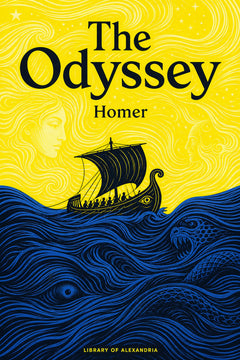
 Start hereThe OdysseyHomer
Begin with a journey home through storms, strange creatures, and divine interference, with a threatened family waiting in Ithaca.
Read free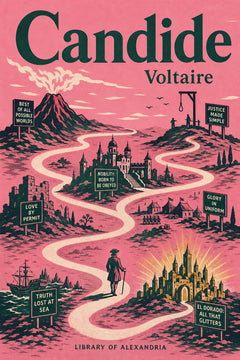
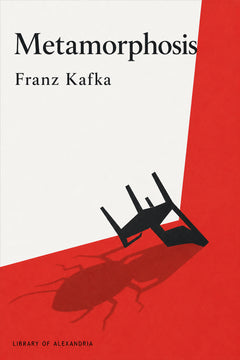 Or tryMetamorphosisFranz Kafka
For a short, unsettling first read, begin with Gregor waking transformed and finding himself dependent on the family he supported.
Read free
The books
Free to start one of the free gifts when you start
Ancient Greece and Rome
| # | First published | Book | Kind | Read |
|---|---|---|---|---|
| 1 | About 750 BC | The OdysseyHomer A wandering king journeys home to his family, encountering strange creatures and gods along the way. | Poems | Free to startRead free |
| 2 | 423 BC | The CloudsAristophanes An indebted farmer seeks lessons in argument, bringing everyday troubles into a comedy about thinkers and reasoning. | Play | Free to startRead free |
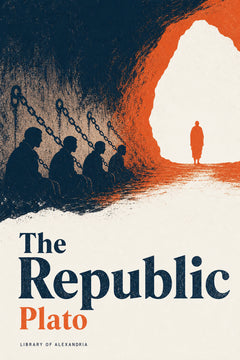
| 3 | 375 BC | The RepublicPlato Socrates and his companions imagine a city to explore justice, connecting political order with the human soul. | Ancient text | Free to startRead free |
| 4 | 19 BC | The AeneidVirgil A Trojan survivor carries his family toward a new homeland while divine opposition brings storms, loss, and delay. | Poems | Free to startRead free |
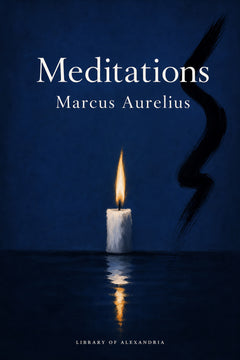
| 5 | 170 | MeditationsMarcus Aurelius Private reflections by a Roman emperor examine fair conduct, self-control, and the difference between authority and governing oneself. | Ancient text | Free to startRead free |
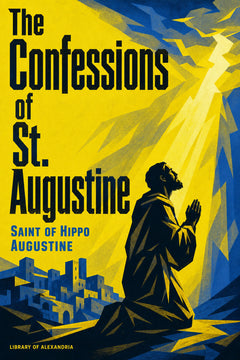
| 6 | 400 | The Confessions of St. AugustineSaint Augustine of Hippo Looking back on childhood, teaching, and ambition, Augustine examines his search for truth and his turn to Christianity. | Ancient text | Free to startRead free |


Medieval and Renaissance
| # | First published | Book | Kind | Read |
|---|---|---|---|---|
| 1 | 1385 | Troilus and CriseydeGeoffrey Chaucer Secret love between a Trojan prince and a widow develops under the pressure of war and threatened separation. | Poems | Free to startRead free |
| 2 | 1532 | The PrinceNiccolò Machiavelli Machiavelli examines how rulers acquire and retain power, asking when political survival conflicts with ordinary moral conduct. | Non-fiction | Free to startRead free |
| 3 | 1603 | Hamlet, Prince of DenmarkWilliam Shakespeare A grieving prince seeks proof of murder, turning a demand for revenge into questions about trust and action. | Play | Free to startRead free |
| 4 | 1605 | Don QuixoteMiguel de Cervantes Knightly ambitions transform ordinary people and places into imagined adventures as a country gentleman travels with his squire. | Novel | Free to startRead free |
| 5 | 1608 | The Tragedy of King LearWilliam Shakespeare An aging king divides his kingdom according to declarations of love, setting family loyalty against flattery and authority. | Play | Free to startRead free |


The age of reason and revolution
| # | First published | Book | Kind | Read |
|---|---|---|---|---|
| 1 | 1637 | Discourse on the MethodRené Descartes Doubting accepted beliefs and his own education, Descartes seeks a method for establishing what he can know with certainty. | Non-fiction | Free to startRead free |
| 2 | 1651 | Leviathan by Thomas HobbesThomas Hobbes Human desires, fears, and conflict underpin Hobbes's argument that peace depends on a strong and undivided common authority. | Non-fiction | Free to startRead free |
| 3 | 1667 | Paradise LostJohn Milton Satan's plans for revenge turn toward Adam and Eve, whose life in Eden brings obedience and choice into focus. | Poems | Free to startRead free |
| 4 | 1689 | Second Treatise of GovernmentJohn Locke Locke grounds political authority in consent, explaining why people establish governments to protect their lives, liberty, and property. | Non-fiction | Free to startRead free |
| 5 | 1759 | CandideVoltaire A young traveller's hopeful teaching meets war, disaster, and persecution, bringing abstract beliefs into contact with suffering. | Novel | Free to startRead free |
| 6 | 1781 | The Critique of Pure ReasonImmanuel Kant Kant investigates the limits of reason and argues that the mind actively supplies forms that make experience possible. | Non-fiction | Free to startRead free |


The nineteenth century and after
| # | First published | Book | Kind | Read |
|---|---|---|---|---|
| 1 | 1813 | Pride and PrejudiceJane Austen Elizabeth Bennet questions judgments about love and rank while resisting pressure to choose a husband for security alone. | Novel | Free to startRead free |
| 2 | 1860 | Great ExpectationsCharles Dickens An orphan's wish to become a gentleman grows from childhood encounters that unsettle his sense of home and background. | Novel | Free to startRead free |
| 3 | 1869 | War and PeaceLeo Tolstoy Russian families seek purpose and love as military campaigns reshape their marriages, friendships, ambitions, and experiences of loss. | Novel | Free to startRead free |
| 4 | 1871 | MiddlemarchGeorge Eliot An English town connects marriage and ambition with a young woman's hopes and a doctor's efforts to improve medicine. | Novel | Free to startRead free |
| 5 | 1879 | A Doll's House: A PlayHenrik Ibsen A wife's concealed borrowing threatens her comfortable household, forcing her to reconsider the marriage she has trusted. | Play | Free to startRead free |
| 6 | 1886 | Beyond Good and EvilFriedrich Nietzsche Nietzsche questions inherited beliefs about truth and morality, examining the wishes and prejudices behind apparently impartial philosophical reasoning. | Non-fiction | Free to startRead free |
| 7 | 1915 | MetamorphosisFranz Kafka A travelling salesman's sudden transformation reverses his family's dependence on him and exposes their inability to accept him. | Novel | Free to startRead free |


Questions
What are the great books everyone should read?
For a starting selection, choose The Odyssey, The Republic, Hamlet, Prince of Denmark, Don Quixote, Pride and Prejudice, and War and Peace. Together, these choices offer journeys, arguments about justice, revenge, imagined adventures, judgments about love, and families living through war. Treat them as starting points rather than a compulsory checklist.
Which great book should I read first?
Start with The Odyssey for a story-led beginning. Its wandering king faces storms, strange creatures, and gods while trying to return to his family. For another entrance, choose Candide for hopeful beliefs tested by disaster, or Metamorphosis for a short story of transformation and family dependence.
In what order should I read the great books?
Follow the groups in order, beginning with Ancient Greece and Rome and ending with The nineteenth century and after. Within each group, follow the listed sequence. For variety, alternate a story or play with a work of philosophy, such as The Republic, Discourse on the Method, or Beyond Good and Evil.
Which of the great books are short?
Metamorphosis is a short choice at about 2 hours, while A Doll's House: A Play takes about 3 hours. The first begins with a travelling salesman waking transformed into an insect-like creature. The second follows a wife whose concealed borrowing puts her marriage under strain.
What makes a book one of the great books?
This list uses questions worth returning to as its guiding criterion: how to act, what to believe, and how to live with others. The Republic examines justice, Meditations considers duty and self-control, and Pride and Prejudice questions judgments about love and rank. Read for those questions rather than for the label alone.
Updated
Read and hear all of them
Every book on this page, and 200,000+ more, as eBook, large-print eBook, audiobook and 15-minute summary, in 25 languages, and any book printed at cost as a paperback, hardcover or large print. 5 accounts for the price of one.








