A reading guide
Eastern philosophy books
These Eastern philosophy books bring together Buddhist, Hindu, Chinese, Japanese and Persian approaches to conduct, suffering, beauty and spiritual life. For readers seeking a first step or daily reflection, start with Dhammapada and its short verses on thought and conduct.
Updated


Where to start
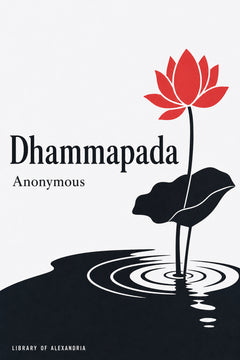
 Start hereDhammapadaAnonymous
Start with short verses on thought and conduct, taking one reflection on restraint, care or craving at a time.
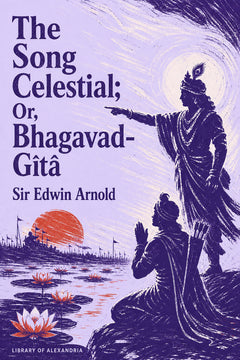
Read free Another way inThe Song Celestial; Or, Bhagavad-GîtâEdwin Arnold
Choose a dramatic opening: Arjuna faces fighting his relatives and teachers, then turns to Krishna for guidance on duty.
Read free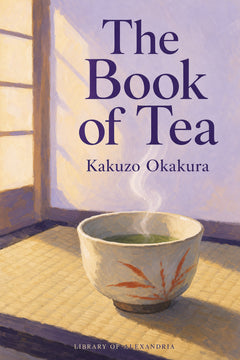 Or tryThe Book of TeaKakuzo Okakura
Begin with tea and beauty, exploring a way of thinking that values simple, imperfect and temporary things in daily life.
Read free
The books
Free to start one of the free gifts when you start
Buddhism
| # | First published | Book | Kind | Read |
|---|---|---|---|---|
| 1 | About 250 BC | DhammapadaAnonymous Short Buddhist verses connect everyday thought and conduct with restraint, care, suffering and freedom from craving. | Poems | Free to startRead free |
| 2 | · | The Diamond Sutra (Chin-Kang-Ching)Unknown The Buddha's conversation with Subhuti explores giving and helping others without attachment to fixed ideas. | Non-fiction | Free to startRead free |
| 3 | 1879 | The Light of AsiaEdwin Arnold A poem follows Siddhartha Gautama from sheltered princely life into a search for an answer to suffering. | Poems | Free to startRead free |
| 4 | 1894 | The Gospel of BuddhaPaul Carus A continuous narrative joins the Buddha's life and awakening with his teaching, sayings and parables. | Non-fiction | Free to startRead free |
| 5 | 414 | A Record of Buddhistic KingdomsFaxian A Buddhist monk crosses deserts and mountains in search of texts governing monastic conduct. | Non-fiction | Free to startRead free |


India
| # | First published | Book | Kind | Read |
|---|---|---|---|---|
| 1 | · | The Song Celestial; Or, Bhagavad-GîtâEdwin Arnold A warrior's hesitation before battle opens a dialogue about duty, devotion, action and the enduring self. | Poems | Free to startRead free |
| 2 | · | The UpanishadsSwami Paramananda Teachings and conversations examine the self, death and underlying reality, contrasting outward possessions with inward knowledge. | Non-fiction | Free to startRead free |
| 3 | · | The Yoga Sutras of PatanjaliPatañjali Short teachings present mental stillness as a discipline for distinguishing the self from passing thoughts and overcoming suffering. | Non-fiction | Free to startRead free |
| 4 | 1912 | GitanjaliRabindranath Tagore Prose poems address God through joy, doubt and longing, seeking a relationship with an unseen divine presence. | Poems | Free to startRead free |
| 5 | · | Maha-bharataRomesh Chunder Dutt A royal family's rivalry grows into war, testing duties to relatives against promises and wider responsibilities. | Poems | Free to startRead free |
| 6 | · | The Rámáyan of Válmíki, Translated into English VerseValmiki A prince's exile becomes a search for his wife after her abduction by a demon king. | Poems | Free to startRead free |
| 7 | · | The Mahabharata of Krishna-Dwaipayana Vyasa: Virata ParvaVyasa Exiled princes and Draupadi enter a royal court in disguise, facing further exile if their identities are discovered. | Poems | Free to startRead free |


China
| # | First published | Book | Kind | Read |
|---|---|---|---|---|
| 1 | About 350 BC | The Tao Teh King, or the Tao and its CharacteristicsLaozi Short teachings explore the way of nature, showing how restraint and softness can guide human conduct. | Non-fiction | Free to startRead free |
| 2 | · | The Analects of Confucius (from the Chinese Classics)Confucius Sayings and conversations link learning, family duties and honest conduct with personal virtue and good government. | Non-fiction | Free to startRead free |
| 3 | About 300 BC | Chuang Tzu: Mystic, Moralist, and Social ReformerZhuangzi Stories, jokes and arguments question fixed judgments, human knowledge and the impulse to control the world. | Non-fiction | Free to startRead free |
| 4 | · | The I ChingAnonymous Sixty-four symbols describe changing situations and offer guidance on how to act within them. | Non-fiction | Free to startRead free |
| 5 | · | The Art of WarSun Tzu A military treatise examines planning, knowledge and deception as means of achieving victory while avoiding battle. | Non-fiction | Free to startRead free |
| 6 | About 240 BC | Han FeiziHan Fei Arguments about law, authority and government examine how rulers can secure a state and control officials. | Non-fiction | Free to startRead free |




Japan and Persia
| # | First published | Book | Kind | Read |
|---|---|---|---|---|
| 1 | 1906 | The Book of TeaKakuzo Okakura The Japanese tea ceremony becomes a way to explore beauty, daily life and the appreciation of imperfect things. | Non-fiction | Free to startRead free |
| 2 | · | The Rubaiyat of Omar KhayyamOmar Khayyam Short poems weigh life's brevity and uncertain purpose against companionship and the pleasures of the present. | Poems | Free to startRead free |
| 3 | 1899 | Bushido, the Soul of JapanInazo Nitobe A study of samurai ethics considers how inherited habits and ideals shaped moral education in Japan. | Non-fiction | Free to startRead free |
| 4 | 1905 | The Japanese SpiritYoshisaburo Okakura An essay explores Japanese national character through the connections between history, belief, art and daily habits. | Non-fiction | Free to startRead free |
| 5 | · | The Sufistic Quatrains of Omar KhayyamOmar Khayyam Four-line poems place fleeting earthly pleasures beside reflections on death, doubt and spiritual longing. | Poems | Free to startRead free |


Questions
What are the best books on Eastern philosophy?
Start with Dhammapada for Buddhist conduct, The Upanishads for the self and reality, and The Analects of Confucius (from the Chinese Classics) for virtue and government. Add The Book of Tea for Japanese ideas about beauty and daily life. Choose by the question that interests you: how to act, what the self is, or how to notice beauty.
Where should a beginner start with Eastern philosophy?
Dhammapada is a useful first choice for its short verses on thought, conduct and freedom from craving. For a story-led beginning, try The Song Celestial; Or, Bhagavad-Gîtâ, where a warrior's hesitation leads to teachings on duty and action. For an everyday starting point, The Book of Tea connects tea with art and beauty.
What are the sacred texts of the East?
Buddhist sacred literature encompasses Dhammapada and The Diamond Sutra (Chin-Kang-Ching), while Hindu sacred literature encompasses The Upanishads and the Bhagavad Gita. Here, The Song Celestial; Or, Bhagavad-Gîtâ presents Arjuna and Krishna's dialogue about duty, devotion and the self. These offer different starting points: ethical verses, conversations about reality, and guidance framed by a warrior's crisis.
Which Eastern classics are short?
Dhammapada and The Rubaiyat of Omar Khayyam are short choices, each taking about 1 hour. The I Ching is another brief option, with short texts accompanying its sixty-four symbols. Choose Buddhist verses for conduct and restraint, Persian poems for reflections on life's brevity, or symbolic guidance for changing situations.
What is the difference between Eastern and Western philosophy?
Eastern and Western philosophy are broad labels for diverse traditions, not two single systems of thought. This list alone ranges from Buddhist teachings on craving to Confucian virtue, Han Feizi's laws and Japanese reflections on beauty. A useful approach is to compare particular questions, such as what makes conduct good or how a ruler should govern, rather than treating geography as one viewpoint.
Updated
Read and hear all of them
Every book on this page, and 200,000+ more, as eBook, large-print eBook, audiobook and 15-minute summary, in 25 languages, and any book printed at cost as a paperback, hardcover or large print. 5 accounts for the price of one.








