A reading guide
Chinese philosophy books
These Chinese philosophy books offer a starting point in teachings on conduct, nature, government and change. For readers beginning at the source, start with The Tao Teh King, or the Tao and its Characteristics, whose short teachings explore restraint rather than force.
Updated


Where to start
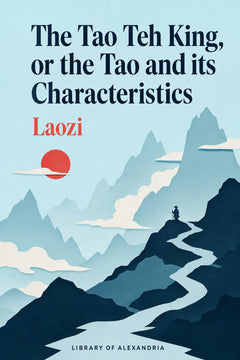
 Start hereThe Tao Teh King, or the Tao and its CharacteristicsLaozi
Begin with short teachings on nature and restraint, considering how to act without trying to force events.
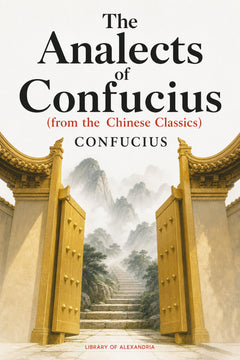
Read free Another way inThe Analects of Confucius (from the Chinese Classics)Confucius
Choose sayings and conversations grounded in learning, family duties and honest conduct, linking everyday choices to good government.
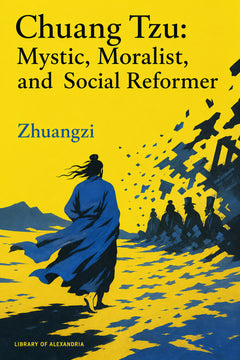
Read free Or tryChuang Tzu: Mystic, Moralist, and Social ReformerZhuangzi
Start here for stories, jokes and dialogues that use humour to question how people judge and control the world.
Read free
The books
Free to start one of the free gifts when you start
Confucian classics
| # | First published | Book | Kind | Read |
|---|---|---|---|---|
| 1 | · | The Analects of Confucius (from the Chinese Classics)Confucius Sayings and conversations connect learning, family duties and honest conduct with personal virtue and good government. | Non-fiction | Free to startRead free |

Taoist classics
| # | First published | Book | Kind | Read |
|---|---|---|---|---|
| 1 | About 350 BC | The Tao Teh King, or the Tao and its CharacteristicsLaozi Short teachings explore the way of nature and suggest how restraint and softness can achieve what force cannot. | Non-fiction | Free to startRead free |
| 2 | About 300 BC | Chuang Tzu: Mystic, Moralist, and Social ReformerZhuangzi Stories, jokes and dialogues question fixed judgments about knowledge and conduct, bringing humour to attempts to control the world. | Non-fiction | Free to startRead free |


Strategy, change and statecraft
| # | First published | Book | Kind | Read |
|---|---|---|---|---|
| 1 | · | The I ChingAnonymous Sixty-four symbols and their short texts offer guidance on changing circumstances and possible ways to act. | Non-fiction | Free to startRead free |
| 2 | · | The Art of WarSun Tzu Sun Tzu examines preparation, judgment and planning, urging commanders to seek victory while avoiding the costs of battle. | Non-fiction | Free to startRead free |
| 3 | About 240 BC | Han FeiziHan Fei Laws, methods of government and authority take precedence over personal goodness in this examination of how rulers secure a state. | Non-fiction | Free to startRead free |


Questions
What are the most important books of Chinese philosophy?
Start with The Tao Teh King, or the Tao and its Characteristics and The Analects of Confucius (from the Chinese Classics) for teachings on conduct and government. Chuang Tzu: Mystic, Moralist, and Social Reformer adds stories and humour; The I Ching explores change; The Art of War examines strategy; Han Feizi considers laws and authority.
What is the difference between Confucianism and Taoism?
The Confucian selection emphasizes learning, family duties, ritual and honest conduct, while the Taoist selections explore nature, restraint and the limits of fixed judgments. Confucius connects personal virtue with social order; Laozi considers acting without forcing events, and Zhuangzi uses stories and humour to question attempts to control the world.
Where should I start with Laozi?
Start with The Tao Teh King, or the Tao and its Characteristics, focusing on its teachings about restraint and acting without forcing events. One useful approach is to consider its contrast between softness and force, then reflect on how those ideas apply to both personal conduct and government.
What is the Analects of Confucius?
The Analects of Confucius (from the Chinese Classics) presents sayings and conversations connecting personal virtue with good government. Its subjects include learning, family duties, ritual and honest conduct. Confucius teaches that social order depends on people learning to act well rather than rulers imposing their will by force.
What is the I Ching?
The I Ching is a work of guidance on change and human conduct built around sixty-four symbols. Short texts describe changing situations and possible responses, addressing circumstances such as beginnings, waiting, peace and breakdown. Its focus is on ways to act within those circumstances.
Updated
Read and hear all of them
Every book on this page, and 200,000+ more, as eBook, large-print eBook, audiobook and 15-minute summary, in 25 languages, and any book printed at cost as a paperback, hardcover or large print. 5 accounts for the price of one.








