A reading guide
Existentialism books
These existentialism books explore freedom, anxiety, choice and meaning through philosophy and fiction that shaped or anticipated the movement. Start with Notes from the Underground for a lonely narrator's examination of pride and self-defeating choices.
Updated



Where to start
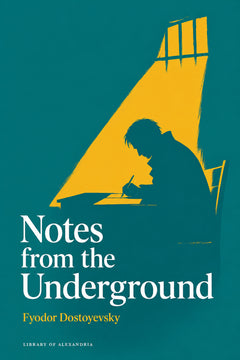 Start hereNotes from the UndergroundFyodor Dostoyevsky
Start with a confessional voice caught between wanting an audience and despising it, questioning reason through his own choices.
Read free Another way inMetamorphosisFranz Kafka
An immediate transformation opens a story of dependence and family rejection, with Gregor unable to explain what has happened.
Read free Or tryThe Joyful Wisdom ("La Gaya Scienza")Friedrich Nietzsche
Short philosophical pieces offer a reflective route through truth, belief and meaning, asking whether knowledge can go together with joy.
Read free
The books
Free to start one of the free gifts when you start
Philosophy: freedom, anxiety and choice
| # | First published | Book | Kind | Read |
|---|---|---|---|---|
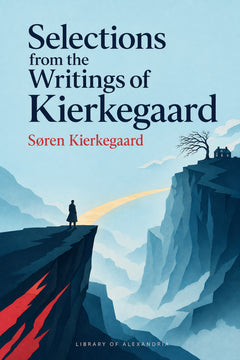
| 1 | · | Selections from the Writings of KierkegaardSøren Kierkegaard Passages on faith and individual responsibility ask how beliefs shape daily life and what it means to stand before God. | Non-fiction | Free to startRead free |
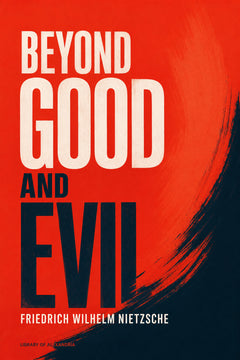
| 2 | 1886 | Beyond Good and EvilFriedrich Nietzsche Nietzsche challenges accepted ideas about truth and morality by examining the wishes, prejudices and motives behind philosophical reasoning. | Non-fiction | Free to startRead free |
| 3 | 1670 | Pascal's PenséesBlaise Pascal Human restlessness, uncertainty and the limits of reason form the starting point for Pascal's argument for Christian belief. | Non-fiction | Free to startRead free |
| 4 | 1882 | The Joyful Wisdom ("La Gaya Scienza")Friedrich Nietzsche Short philosophical pieces question inherited assumptions while exploring how people seek truth, give life meaning and connect knowledge with joy. | Non-fiction | Free to startRead free |
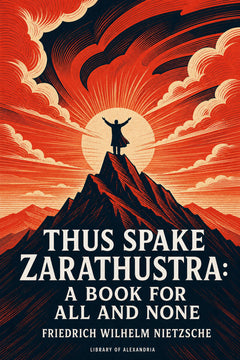
| 5 | 1883 | Thus Spake Zarathustra: A Book for All and NoneFriedrich Nietzsche Through a prophet's teachings, Nietzsche confronts the search for purpose when inherited religious and moral certainties no longer hold. | Non-fiction | Free to startRead free |
| 6 | 1913 | Tragic Sense Of LifeMiguel de Unamuno Unamuno begins with the suffering individual, examining the clash between the wish to survive death and reason's unresolved doubts. | Non-fiction | Free to startRead free |
| 7 | 1851 | The Essays of Arthur Schopenhauer; Studies in PessimismArthur Schopenhauer Essays on suffering, desire and death describe a restless will and treat happiness as temporary relief from recurring wants. | Non-fiction | Free to startRead free |


Novels and stories of the existential mood
| # | First published | Book | Kind | Read |
|---|---|---|---|---|
| 1 | 1864 | Notes from the UndergroundFyodor Dostoyevsky A solitary former official questions whether reason and self-interest can explain human behaviour while exposing his own self-defeating choices. | Novel | Free to startRead free |
| 2 | 1915 | MetamorphosisFranz Kafka Gregor's unexplained transformation leaves him unable to work or communicate, dependent on the family he once supported. | Novel | Free to startRead free |
| 3 | 1925 | The TrialFranz Kafka An unexplained arrest draws Josef K. into a court whose concealed charges and incomprehensible authority frustrate his attempts at defence. | Novel | Free to startRead free |
| 4 | 1866 | Crime and PunishmentFyodor Dostoyevsky A former student tests his belief that certain people may break moral laws, only to encounter fear and guilt. | Novel | Free to startRead free |
| 5 | 1914 | Mist (Nivola)Miguel de Unamuno Love gives Augusto Pérez a sense of purpose before his pursuit leads him to question his freedom and existence. | Novel | Free to startRead free |
| 6 | 1880 | The Brothers KaramazovFyodor Dostoyevsky Three brothers with contrasting temperaments become entangled in family disputes and questions of guilt surrounding their father's murder. | Novel | Free to startRead free |
| 7 | 1853 | Bartleby, the Scrivener: A Story of Wall-StreetHerman Melville A copyist's quiet refusals disturb a lawyer's comfortable routines, leaving an employer who avoids conflict struggling to respond. | Stories | Free to startRead free |


Questions
What are the best existentialism books to start with?
Start with Notes from the Underground for fiction, or Selections from the Writings of Kierkegaard for philosophical and religious reflection. The former examines pride, isolation and self-defeating choices; the latter explores faith, choice and individual responsibility. Metamorphosis offers another starting point through Gregor's transformation and his dependence on his family.
Which classic books are existentialist?
This list brings together classics that shaped or anticipated existentialism rather than treating every selection as an existentialist work. Kierkegaard, Nietzsche and Dostoyevsky anticipated or shaped the movement. Notes from the Underground questions rational accounts of behaviour, The Trial presents an incomprehensible court, and Mist (Nivola) explores doubts about freedom and existence.
Which existentialism books are short?
Bartleby, the Scrivener: A Story of Wall-Street and Metamorphosis are short starting points, each taking about 2 hours. Bartleby's refusals unsettle his employer's orderly life, while Gregor's transformation overturns his role within his family. For philosophical essays, The Essays of Arthur Schopenhauer; Studies in Pessimism takes about 3 hours and examines suffering, desire and death.
Who were the first existentialist writers?
Kierkegaard is commonly treated as a foundational precursor, while Nietzsche and Dostoyevsky also anticipated or shaped existentialism. Pascal offers an earlier point of comparison through his examination of restlessness, uncertainty and reason's limits. These writers approached related questions from different directions, including Christian faith, criticism of inherited morality and fictional accounts of conscience.
What is existentialism in simple terms?
Existentialism asks what it means to live as an individual who must choose and take responsibility without complete certainty. These selections approach that question through faith, moral doubt, suffering and the search for purpose. Kierkegaard examines lived belief, Nietzsche questions inherited values, and Unamuno explores the tension between reason and the wish to survive death.
Updated
Read and hear all of them
Every book on this page, and 200,000+ more, as eBook, large-print eBook, audiobook and 15-minute summary, in 25 languages, and any book printed at cost as a paperback, hardcover or large print. 5 accounts for the price of one.





