A reading guide
Classic African American literature
Classic African American literature spans narratives of enslavement and freedom, novels, poetry, and accounts of racial injustice. This list is for readers exploring that range, from Phillis Wheatley to James Weldon Johnson; start with Twelve Years a Slave.
Updated


Where to start
 Start hereTwelve Years a SlaveSolomon Northup
Begin with a memoir whose central situation is immediate: a free man is kidnapped, separated from his family, and enslaved.
Read free Another way inPoems on Various Subjects, Religious and MoralPhillis Wheatley
Choose poems that move between faith, mourning, learning, and freedom, with personal addresses alongside stories from scripture and ancient myth.
Read free Or tryOf One BloodPauline E. Hopkins
For a mysterious story, follow a medical student into concealed family ties, romance, supernatural powers, and an ancient Ethiopian city.
Read free

The books
Free to start one of the free gifts when you start
Narratives of enslavement and freedom
| # | First published | Book | Kind | Read |
|---|---|---|---|---|
| 1 | 1845 | Narrative of the Life of Frederick Douglass, an American SlaveFrederick Douglass Douglass recounts childhood under slavery, showing how learning to read strengthens his understanding and his pursuit of freedom. | Non-fiction | Free to startRead free |
| 2 | 1853 | Twelve Years a SlaveSolomon Northup Kidnapped and sold into slavery, a free Black man describes separation from his family and life under enslavers in Louisiana. | Non-fiction | Free to startRead free |
| 3 | 1861 | Incidents in the Life of a Slave Girl, Written by HerselfHarriet Ann Jacobs Harriet Jacobs recounts an enslaved woman's efforts to protect her children, resist her enslaver's harassment, and escape. | Non-fiction | Free to startRead free |
| 4 | 1901 | Up from Slavery: An AutobiographyBooker T. Washington Booker T. Washington traces his path from slavery and industrial work to education and leadership at Tuskegee Institute. | Non-fiction | Free to startRead free |
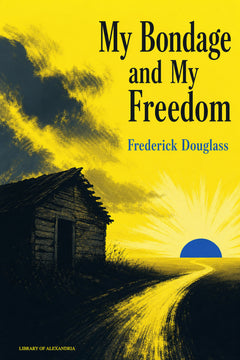
| 5 | 1855 | My Bondage and My FreedomFrederick Douglass Literacy, work, family separation, and violence shape Douglass's account of slavery and his movement toward freedom and a political voice. | Non-fiction | Free to startRead free |


Novels, poems and essays
| # | First published | Book | Kind | Read |
|---|---|---|---|---|
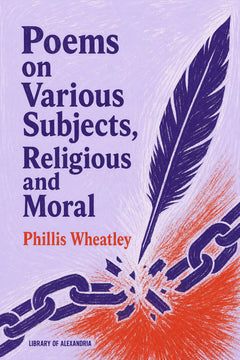
| 1 | 1773 | Poems on Various Subjects, Religious and MoralPhillis Wheatley Christian faith, loss, learning, and freedom shape Wheatley's poems, which draw on personal addresses, scripture, and ancient myth. | Poems | Free to startRead free |
| 2 | 1912 | The Autobiography of an Ex-Colored ManJames Weldon Johnson A musician's changing understanding of his ancestry opens questions of race, identity, and the possibility of passing as white. | Novel | Free to startRead free |
| 3 | 1901 | The Marrow of TraditionCharles W. Chesnutt Two Southern families face racial violence and divided loyalties as a newspaper owner helps stir hostility in Wellington. | Novel | Free to startRead free |
| 4 | 1895 | The Red RecordIda B. Wells-Barnett Newspaper reports, statistics, and individual cases become evidence as Ida B. Wells-Barnett documents lynching and challenges its public excuses. | Non-fiction | Free to startRead free |
| 5 | 1899 | The Conjure WomanCharles W. Chesnutt Through a formerly enslaved storyteller, plantation life becomes the setting for tales in which folk magic enters enslaved people's lives. | Stories | Free to startRead free |
| 6 | 1859 | Our Nig; Or, Sketches from the Life of a Free Black, in a Two-Story White House, NorthHarriet E. Wilson Frado's mistreatment in a white New Hampshire household exposes the distance between being free and controlling her own life. | Novel | Free to startRead free |
| 7 | 1892 | Iola Leroy; Or, Shadows UpliftedFrances Ellen Watkins Harper Discovering her Black ancestry overturns Iola's comfortable upbringing, beginning a story of slavery, family, the Civil War, and Reconstruction. | Novel | Free to startRead free |
| 8 | 1900 | The House Behind the CedarsCharles W. Chesnutt A brother offers his sister a life passing as white, asking her to leave familiar ties and conceal their ancestry. | Novel | Free to startRead free |
| 9 | 1902 | Of One BloodPauline E. Hopkins Hidden ancestry connects a medical student with a mysterious singer and an Ethiopian city in a story combining romance and supernatural powers. | Novel | Free to startRead free |


Questions
What are the best classic African American books?
Strong starting points are Twelve Years a Slave, Narrative of the Life of Frederick Douglass, an American Slave, and Poems on Various Subjects, Religious and Moral. Together they offer accounts of enslavement and the pursuit of freedom alongside poetry about faith, loss, and learning. For fiction, The Autobiography of an Ex-Colored Man explores a musician's changing understanding of race and identity.
Which classic African American book should I read first?
Start with Twelve Years a Slave for a memoir built around a clear, urgent situation. Solomon Northup describes being kidnapped and sold into slavery despite being a free Black man. His account follows separation from his family and life under enslavers in Louisiana. For a fictional starting point, Of One Blood combines hidden ancestry, romance, and supernatural powers.
What is a slave narrative?
A slave narrative is an account of enslavement told by someone who experienced it. Narrative of the Life of Frederick Douglass, an American Slave recounts childhood, work, and the pursuit of literacy and freedom. Incidents in the Life of a Slave Girl, Written by Herself describes Harriet Jacobs's efforts to protect her children and escape.
Which classic African American books are short?
Two short choices are Poems on Various Subjects, Religious and Moral, at about 2 hours, and Our Nig; Or, Sketches from the Life of a Free Black, in a Two-Story White House, North, at about 3 hours. Wheatley's poems consider faith, loss, learning, and freedom; Wilson's novel follows a free Black girl's mistreatment in a white household.
Who were the first African American authors?
Phillis Wheatley is the earliest author represented on this list, with Poems on Various Subjects, Religious and Moral from 1773. The nineteenth-century selections feature Frederick Douglass, Harriet E. Wilson, Harriet Ann Jacobs, and Frances Ellen Watkins Harper. These books offer several starting points for exploring early African American writing through poetry, accounts of enslavement, and fiction.
Updated
Read and hear all of them
Every book on this page, and 200,000+ more, as eBook, large-print eBook, audiobook and 15-minute summary, in 25 languages, and any book printed at cost as a paperback, hardcover or large print. 5 accounts for the price of one.





