Free verse
Literary term · say it FREE VURS
Free verse is poetry that follows no fixed pattern of meter or rhyme. Its rhythm can come from the flow of speech, repeated words, pauses, and changes in line length.
Ways free verse appears
Long, flowing lines
Free verse can stretch across long lines with rhythms close to speech. Lists and repeated phrases often help hold these lines together.
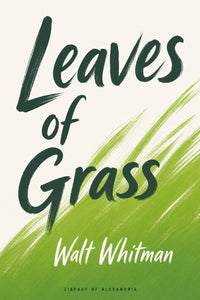
In the poem later titled Song of Myself in Leaves of Grass, a child asks what grass is, and the speaker offers several possible answers in flowing, uneven lines.
In Leaves of Grass by Walt Whitman
Short, spare lines
Free verse can also use very short lines. Pauses and shifts in line length can draw attention to a single image or movement.
In Fog, collected in Chicago Poems, fog appears over a harbor and city like a quiet cat, pauses, and moves on. The short lines have no regular rhyme scheme or meter.
In Chicago Poems by Carl Sandburg
How to spot free verse
- Check whether the lines follow a steady pattern of stressed and unstressed syllables.
- Look for line endings without a regular rhyme scheme.
- Notice how pauses, repeated words, and line lengths guide the rhythm.
What is the difference between free verse and blank verse?
Blank verse has a regular meter, usually iambic pentameter, while free verse has no fixed meter. Both can lack rhyme, so the key difference is the pattern of beats rather than the sounds at line endings.
Does free verse have any rules?
Free verse has no required meter or rhyme scheme, but that does not mean anything goes. Line breaks, sound patterns, pauses, and repeated words still matter, and a poem may establish patterns of its own.
Related terms
Books where you can see Free verse
200,000+ classics to read and hear, and printed books, large print included, at cost.
Try 3 months free





