The powers that be
The powers that be means the people or institutions that hold authority, especially when their decisions seem beyond ordinary people's control. The phrase appears in the biblical letter to the Romans, where Paul discusses obedience to governing authorities.
Where it comes from
Authority in the Bible
The phrase appears in Romans, chapter 13, in the King James Bible. Paul presents governing authority as part of God's ordering of the world.
In The Bible, Paul urges the Christians in Rome to respect governing authorities and pay the taxes they owe.
In The Bible by Various authors
The people making the decisions
Today, the phrase can mean a government, a school board, an employer, or any other group in charge. It often suggests that the speaker has little influence over their decisions.
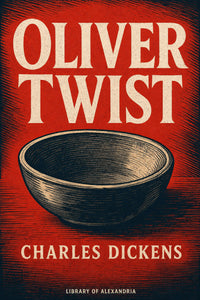
In Oliver Twist, the workhouse board treats Oliver's request for more food as a serious offence and arranges to send him away. The board illustrates the kind of distant authority the phrase can describe today.
In Oliver Twist by Charles Dickens
How to use The powers that be
- Use it for people or institutions with real authority.
- Choose it when a slightly resigned or critical tone fits.
- Name the actual decision-makers when precision matters.
Is the powers that be always critical?
No, it can simply mean those in authority. In everyday conversation, though, it often carries mild frustration or irony, suggesting that decisions come from people who are distant, powerful, or unlikely to listen.
Why is it be rather than are?
Be is an older grammatical form preserved in the phrase. Here it means roughly those powers that exist or hold authority. Modern English normally uses are in this setting, but the familiar expression keeps its older wording.
Related terms
Books where you can see The powers that be
200,000+ classics to read and hear, and printed books, large print included, at cost.
Try 3 months free





