Melodrama
Literary term · say it MEL-uh-drah-muh
Melodrama is a kind of storytelling that uses heightened emotions, sensational events, and strong contrasts between good and evil. It often places innocent people in danger and draws readers into their suffering, struggles, and escapes.
How melodrama appears
Innocence in danger
A vulnerable person faces a cruel enemy or an overwhelming threat. The scene makes sympathy and fear especially strong.
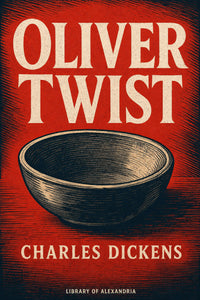
In Oliver Twist, Bill Sikes forces Oliver to take part in a burglary, where the boy is shot. Oliver's helplessness makes the danger especially distressing.
In Oliver Twist by Charles Dickens
Cruelty and strong emotion
Acts of cruelty bring feelings such as grief, anger, and pity to the foreground. Moral contrasts may become sharper than they are in everyday life.
In Uncle Tom's Cabin, Tom refuses to betray the hiding places of Cassy and Emmeline. Simon Legree orders a beating that leads to Tom's death.
In Uncle Tom's Cabin by Harriet Beecher Stowe
Sensational turns
A sudden revelation, narrow escape, or last-minute rescue changes the story's direction. The surprise raises the emotional stakes.
In A Tale of Two Cities, Sydney Carton secretly takes Charles Darnay's place in prison. Darnay escapes with his family while Carton goes to the guillotine.
In A Tale of Two Cities by Charles Dickens
How to spot melodrama
- Look for sharp contrasts between innocent victims and cruel enemies.
- Notice scenes that push grief, fear, love, or anger to an extreme.
- Watch for shocking revelations, narrow escapes, and sudden rescues.
What is the difference between melodrama and tragedy?
Melodrama stresses heightened emotion and sharp moral contrasts, while tragedy centres on suffering and a serious downfall. They can overlap, but melodrama often points clearly towards whom to pity or blame, whereas tragedy may leave responsibility more complicated.
Does melodrama always mean bad writing?
No, melodrama is a storytelling approach, not an automatic fault. Strong emotions, desperate dangers, and sudden rescues can make a story moving and gripping. The word becomes criticism when those effects feel excessive or the characters' reactions seem unconvincing.
Related terms
Books where you can see Melodrama
200,000+ classics to read and hear, and printed books, large print included, at cost.
Try 3 months free





