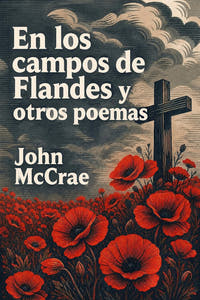
In Flanders Fields
by John McCrae · 1915 · 1 min de lectura · 15 líneas
“In Flanders Fields” by John McCrae is a poem about the war dead and their demand that the living continue their fight. It opens with poppies growing between rows of grave crosses while larks sing above gunfire. The peaceful flowers and birds share the scene with signs of death and ongoing battle. The speakers then identify themselves as the dead, recalling how recently they experienced dawn, sunset, and love. These memories make their lost lives feel close to ordinary human experience. In the final section, they address the living directly and pass them an imagined torch. Their appeal becomes a warning: if the living abandon their cause, the dead will not rest, even as poppies continue to grow over their graves.
Qué significa, línea por línea
Líneas 1 a 5: The opening places flowers, grave markers, birds, and guns in one landscape. Rows of crosses mark where the speakers lie, though their identity is not yet fully stated. The larks keep singing, but gunfire nearly drowns them out. This contrast sets natural life beside death and continuing violence.
Líneas 6 a 9: The speakers reveal that they are the dead. Their memories of daylight and mutual love emphasize how recently they were alive and how much they have lost. The shift from remembered activity to lying in the fields makes death feel sudden. The repeated place name brings those memories back to the graves.
Líneas 10 a 12: The dead turn from remembering their lives to directing the living. They ask others to continue their struggle against the enemy. The torch passed from weakening hands gives that duty a visible shape: the living must receive something the dead can no longer carry and keep it raised.
Líneas 13 a 15: The closing warning makes continued struggle a matter of loyalty to the dead. If the living break that bond, the speakers say they will not rest. Poppies return from the opening, but their growth cannot guarantee peace. The final return to the fields leaves beauty and unresolved obligation together.


Free for 3 months
200,000+ classics. Every format, free to start.
eBooks, audiobooks and 15-minute summaries, and any book printed at cost, large print too.
Tres preguntas para reflexionar
- How do the poppies, crosses, larks, and guns shape the mood of the opening scene?
- How does the memory of love affect your understanding of the dead speakers’ final demand?
- What does the torch represent, and how does its passing connect the dead with the living?
Free for 3 months
200,000+ classics. Every format, free to start.
eBooks, audiobooks and 15-minute summaries, and any book printed at cost, large print too.
Lee el resumen de 15 minutos ahora, y pide el libro impreso, también en letra grande, al costo de impresión.
Prueba 3 meses gratis