A reading guide
Stoicism books
These Stoicism books introduce Marcus Aurelius, Epictetus, and Seneca, alongside Cicero's reflections on living well. Start with Meditations for a Roman emperor's private reflections on self-control, then explore practical lessons on judgment, duty, anger, and gratitude.
Updated




Where to start
 Start hereMeditationsMarcus Aurelius
Private reflections give a personal starting point, as Marcus Aurelius examines fair treatment, self-control, and his own conduct.
Read free Another way inThe EnchiridionEpictetus
Start here for focused advice on directing effort toward personal choices rather than events outside human control.
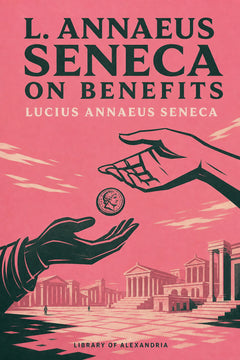
Read free Or tryL. Annaeus Seneca on BenefitsLucius Annaeus Seneca
For a social starting point, Seneca explores the familiar experience of giving favors, receiving help, and responding with gratitude.
Read free
The books
Free to start one of the free gifts when you start
The Stoics in their own words
| # | First published | Book | Kind | Read |
|---|---|---|---|---|
| 1 | About 170 | MeditationsMarcus Aurelius Marcus Aurelius reflects privately on treating others fairly, governing his own thoughts, and facing events beyond his control. | Ancient text | Free to startRead free |
| 2 | About 125 | The EnchiridionEpictetus Epictetus directs daily effort toward judgments and choices rather than events or other people's opinions. | Ancient text | Free to startRead free |
| 3 | · | Minor Dialogues, Together With the Dialogue on ClemencyLucius Annaeus Seneca Seneca explores anger, grief, suffering, and limited time through a Stoic account of virtue and judgment. | Ancient text | Free to startRead free |
| 4 | · | The Golden Sayings of Epictetus, with the Hymn of CleanthesEpictetus These sayings apply attention to personal judgments and actions to daily conduct amid hardship, desire, and uncertainty. | Ancient text | Free to startRead free |
| 5 | About 63 | L. Annaeus Seneca on BenefitsLucius Annaeus Seneca Seneca examines giving, receiving, and gratitude, asking those troubled by ingratitude to consider their own conduct. | Ancient text | Free to startRead free |
| 6 | · | The Teaching of EpictetusEpictetus Epictetus turns attention from wealth and reputation toward the judgments, desires, and actions within personal control. | Ancient text | Free to startRead free |


Roman moralists on duty, friendship and a good life
| # | First published | Book | Kind | Read |
|---|---|---|---|---|
| 1 | About 44 BC | On Duties Cicero’s Ethical Teachings on Duty, Honour, and VirtueMarcus Tullius Cicero Addressing his son, Cicero considers obligations to others and choices between apparent personal advantage and honour. | Ancient text | Free to startRead free |
| 2 | About 45 BC | Cicero's Tusculan DisputationsMarcus Tullius Cicero Cicero examines death, pain, grief, and troubling emotions while considering whether virtue alone can sustain happiness. | Ancient text | Free to startRead free |


Questions
What are the best books on Stoicism?
Start with Meditations for private reflection, The Enchiridion for advice about control, and Minor Dialogues, Together With the Dialogue on Clemency for Seneca's essays. Together, they explore self-control, judgment, anger, grief, and the use of time.
Which Stoic book should I read first?
Meditations is the natural first pick for its personal reflections on duty and self-control. Marcus Aurelius examines how to act reasonably, treat others fairly, and face events beyond his control. Choose The Enchiridion instead for focused advice about judgments and choices.
Who were the main Stoic philosophers?
Zeno of Citium, Cleanthes, and Chrysippus were foundational Greek Stoics; Seneca, Epictetus, and Marcus Aurelius are major later voices. This list focuses on those later voices, from Marcus Aurelius's private reflections to Epictetus's lessons on control and Seneca's examinations of anger, grief, and gratitude.
Is Meditations the best place to start with Stoicism?
Meditations is a good place to start for readers drawn to personal reflection. Its focus is Marcus Aurelius reminding himself to act reasonably and govern his thoughts and actions. The Enchiridion offers another starting point through its distinction between what depends on us and what does not.
Which Stoic books are the shortest?
The Enchiridion is the shortest selection here, at about 1 hour, followed by The Golden Sayings of Epictetus, with the Hymn of Cleanthes at about 3 hours. Both focus on personal judgments and actions rather than attempts to control outside events.
Updated
Read and hear all of them
Every book on this page, and 200,000+ more, as eBook, large-print eBook, audiobook and 15-minute summary, in 25 languages, and any book printed at cost as a paperback, hardcover or large print. 5 accounts for the price of one.





