A reading guide
Philosophy classics
Philosophy classics explore knowledge, morality, power, and how to live. Start with Meditations for reflections on judgment, fairness, and facing what you cannot control. Read or listen here: eBook, audiobook and 15-minute summary, and paperback, hardcover or large print, printed at cost, free to start.
Updated


Where to start
- Start hereMeditations
Start with reflections on treating others fairly and facing events beyond your control, keeping the focus on daily conduct.
Read free · no sign-up 
 Or tryDiscourse on the MethodRené Descartes
Follow Descartes as he questions his education and seeks certainty, approaching knowledge through his account of his own doubts.
Read free · no sign-up

The books
Free the whole book, no sign-up Free to start one of the free gifts when you start
| # | First published | Book | Kind | Listening time | Read |
|---|---|---|---|---|---|
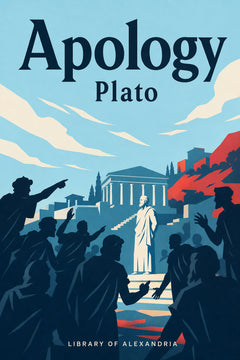
| 1 | 390 BC | ApologyPlato Socrates defends his beliefs before an Athenian jury and explains why he questions other people. | Non-fiction | 1 h 48 min | Free to startRead free |
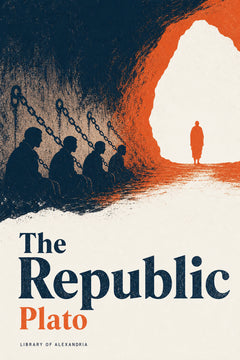
| 2 | 375 BC | The RepublicPlato Socrates examines justice through an imagined city, asking whether living justly is better than living unjustly. | Non-fiction | 24 h 12 min | Free to startRead free |
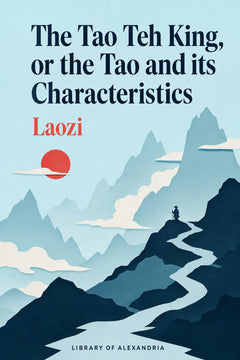
| 3 | 350 BC | The Tao Teh King, or the Tao and its CharacteristicsLaozi Laozi's short teachings consider the way of nature as a guide for human conduct and rulers. | Non-fiction | 1 h 12 min | Free to startRead free |
| 4 | 44 BC | On Duties Cicero’s Ethical Teachings on Duty, Honour, and VirtueMarcus Tullius Cicero Cicero examines what people owe one another when personal advantage comes into conflict with honour. | Non-fiction | 12 h 51 min | Free to startRead free |
| 5 | 125 | The EnchiridionEpictetus Epictetus grounds his advice for daily life in the distinction between what we control and what we cannot. | Non-fiction | 1 h 14 min | FreeRead free · no sign-up |
| 6 | 170 | Meditations Marcus Aurelius connects philosophical reflection with daily choices about fairness, self-control, and events beyond his control. | Non-fiction | 8 h 39 min | FreeRead free · no sign-up |
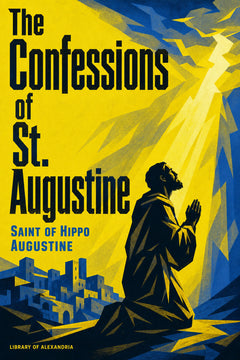
| 7 | 400 | The Confessions of St. AugustineSaint Augustine of Hippo Augustine reflects on his life, education, and search for truth while addressing God about his turn to Christianity. | Non-fiction | 12 h 28 min | Free to startRead free |
| 8 | 524 | The Consolation of PhilosophyBoethius A prisoner converses with Philosophy about fortune, happiness, and freedom while confronting his own grief. | Non-fiction | 4 h 49 min | FreeRead free · no sign-up |
| 9 | 1190 | The Guide for the PerplexedMoses Maimonides Maimonides addresses tensions between Jewish scripture and philosophy through a letter to a troubled student. | Non-fiction | 31 h 19 min | Free to startRead free |
| 10 | 1516 | UtopiaThomas More More uses discussion of an island without private property to examine poverty and how countries should be governed. | Non-fiction | 4 h 51 min | FreeRead free · no sign-up |
| 11 | 1532 | The PrinceNiccolò Machiavelli Machiavelli examines political power through the practical problems rulers face when gaining states and holding authority. | Non-fiction | 5 h 35 min | FreeRead free · no sign-up |
| 12 | 1637 | Discourse on the MethodRené Descartes Descartes makes doubt a starting point for examining education, certainty, and the foundations of knowledge. | Non-fiction | 2 h 34 min | FreeRead free · no sign-up |
| 13 | 1689 | Second Treatise of GovernmentJohn Locke Locke argues that political authority rests on consent and that government must protect people's rights. | Non-fiction | 6 h 18 min | FreeRead free · no sign-up |
| 14 | 1739 | A Treatise of Human NatureDavid Hume Hume brings beliefs, emotions, and moral judgments into an inquiry grounded in observation of human nature. | Non-fiction | 25 h 7 min | Free to startRead free |
| 15 | 1748 | An Enquiry Concerning Human UnderstandingDavid Hume Hume examines how experience and habit shape beliefs, beginning with questions about where our ideas come from. | Non-fiction | 6 h 27 min | FreeRead free · no sign-up |
| 16 | 1755 | A Discourse Upon the Origin and the Foundation of the Inequality Among MankindJean-Jacques Rousseau Rousseau examines how property, law, and government transform human differences into forms of social inequality. | Non-fiction | 2 h 59 min | FreeRead free · no sign-up |
| 17 | 1759 | The Theory of Moral SentimentsAdam Smith Smith examines how sympathy shapes judgments of conduct and how people develop concern for others. | Non-fiction | 13 h 9 min | Free to startRead free |
| 18 | 1781 | The Critique of Pure ReasonImmanuel Kant Kant investigates the limits of reason, asking what knowledge requires experience and what reason alone can establish. | Non-fiction | 23 h 25 min | Free to startRead free |
| 19 | 1785 | Fundamental Principles of the Metaphysic of MoralsImmanuel Kant Kant seeks a moral principle grounded in reason rather than personal wishes, feelings, or expected rewards. | Non-fiction | 3 h 27 min | Free to startRead free |
| 20 | 1792 | A Vindication of the Rights of WomanMary Wollstonecraft Wollstonecraft argues for women's education as a means of developing independent reason rather than obedience. | Non-fiction | 9 h 40 min | Free to startRead free |
| 21 | 1807 | Phenomenology of SpiritGeorg Wilhelm Friedrich Hegel Hegel traces consciousness from immediate sense experience towards understanding itself through conflicts in its ways of knowing. | Non-fiction | 19 h 34 min | Free to startRead free |
| 22 | 1848 | The Communist ManifestoKarl Marx and Friedrich Engels Marx and Engels argue that class conflict drives history and call for workers to unite against capitalism. | Non-fiction | 1 h 17 min | FreeRead free · no sign-up |
| 23 | 1851 | The Essays of Arthur Schopenhauer; Studies in PessimismArthur Schopenhauer Schopenhauer examines suffering, desire, and death through his argument that a blind striving governs life. | Non-fiction | 3 h 25 min | Free to startRead free |
| 24 | 1886 | Beyond Good and EvilFriedrich Nietzsche Nietzsche challenges inherited beliefs about truth and morality, questioning the supposed impartiality of philosophical arguments. | Non-fiction | 7 h 10 min | FreeRead free · no sign-up |
| 25 | · | The Analects of Confucius (from the Chinese Classics)Confucius Confucius connects personal virtue with good government, placing learned conduct at the centre of social order. | Non-fiction | 3 h 19 min | FreeRead free · no sign-up |


Questions
Which philosophy classics should I read first?
Start with Meditations for its focus on daily conduct and events beyond your control. Next, try Apology for Socrates' defence of his questioning, or Discourse on the Method for Descartes' search for certainty.
Which philosophy classics are about how to live?
Meditations and The Enchiridion both address daily conduct and the limits of personal control. For a different emphasis, On Duties Cicero’s Ethical Teachings on Duty, Honour, and Virtue examines obligations to others and choices between personal gain and honour.
Which philosophy classics explore knowledge and truth?
Discourse on the Method, An Enquiry Concerning Human Understanding, and The Critique of Pure Reason all examine knowledge. Their starting points differ: Descartes seeks certainty through doubt, Hume examines experience and habit, and Kant investigates the limits of reason.
Are there medieval philosophy classics here?
The Guide for the Perplexed, dated 1190, offers a starting point for medieval philosophy. Maimonides addresses a student troubled by apparent conflicts between Jewish scripture and philosophical reasoning, making that tension the focus of his inquiry.
Which philosophy classics discuss politics and justice?
The Republic examines justice, while Second Treatise of Government argues that authority rests on consent. The Prince considers how rulers gain and retain power, and A Vindication of the Rights of Woman argues for education that develops women's independent judgment.
Updated
Read and hear all of them
Every book on this page, and 200,000+ more, as eBook, large-print eBook, audiobook and 15-minute summary, in 25 languages, and any book printed at cost as a paperback, hardcover or large print. Household access for the whole family.